








Discover the Corton Grand Cru appellation
and its Hospices de Beaune cuvées
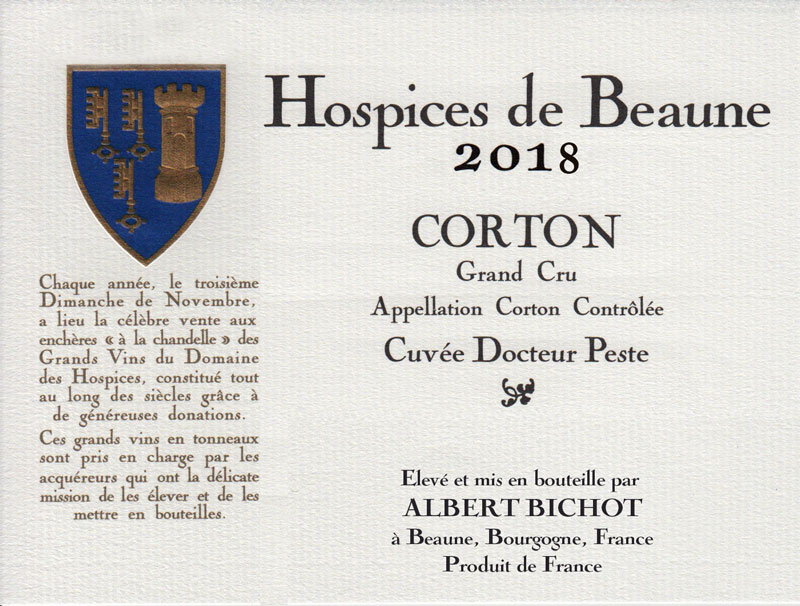
Hospices de Beaune wines in the Corton Grand Cru appellation
The style of Corton wines
RED WINES
Corton's red wines are among the most structured and powerful in the Côte de Beaune. Corton produces deep reds with good ageing potential. In their youth, they generally present a deep color and aromas of black cherry, blackcurrant and blackberry, often accompanied by spicy, licorice and slightly smoky notes. With ageing and maturation, more complex nuances of undergrowth, leather and truffle emerge.
On the palate, these wines are characterized by an assertive tannic structure, dense body and fine concentration. Their balance is based on the mineral tension provided by the limestone soils of the hillside. Over time, the tannins soften and the wine gains in depth and aromatic complexity. Great red Cortons can thus evolve favorably for several decades.
WHITE WINES
Most of the great white wines produced on the Corton hillside come from the Corton-Charlemagne appellation, although Domaine des Hospices also offers a Corton Grand Cru blanc (cuvée Docteur Peste) and a Corton-Vergenne (cuvée Paul Chanson). These are among Burgundy's most powerful and majestic whites. Unmissable!
When young, they offer intense aromas of citrus fruit, green apple and pear, to which are often added notes of white flowers, fresh almond and gunflint. Barrel ageing can add nuances of butter, hazelnut, brioche or vanilla, without masking the strong mineral imprint of the terroir.
On the palate, Corton Chardonnay is characterized by remarkable fullness, rich texture and great density, underpinned by firm acidity and chalky minerality that add tension and length. With age, aromas evolve towards notes of honey, dried fruit and white truffle, while retaining a structuring freshness. The best Corton-Charlemagne wines can age for several decades.
Buy a Corton wine at the Hospices de Beaune auction with Albert Bichot
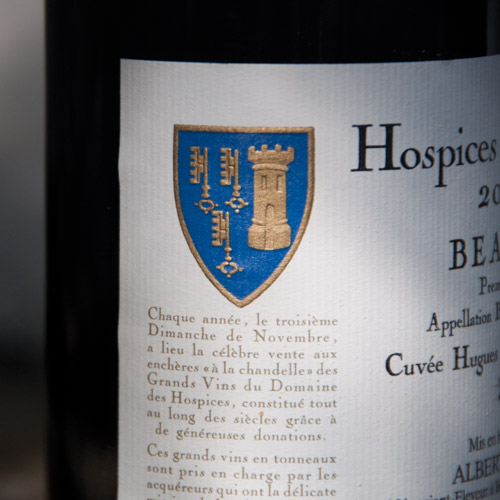
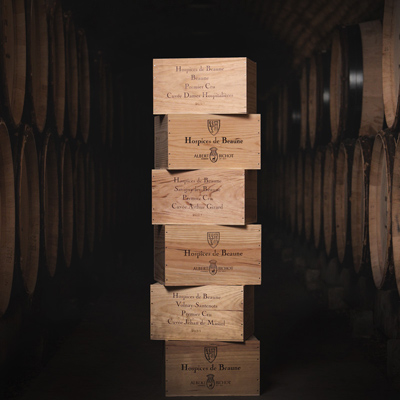
Several Corton cuvées, all from a single exceptional terroir, are auctioned off at the Hospices each year during the November wine sale. We offer two purchase options, from a single bottle to a full barrel.
You'll also find our older Corton grands crus from the Hospices back vintages immediately available on our online boutique. Optional label personalization with your name.
Buy from Hospices starting at one bottle
Buy a whole barrel (or a fraction) at auction
Corton Grand Cru white: food and wine pairings
Corton wines offer a wealth of gastronomic possibilities. Their structure and complexity make them ideal for pairing with characterful dishes, while enhancing the finesse of the produce.
- Oysters, smoked trout
- Butter-roasted lobster - creamy risotto
- Roasted turbot - potato mousseline
- Pan-fried scallops - leek fondue
- Golden sweetbreads - parsnip purée
Corton Grand Cru red: food and wine pairings
It's important to find the balance between power and freshness that these great wines offer. When they're young, their dense fruitiness makes them ideal for fine combinations. A few years later, more boldness and character are called for!
- Roast duck breast - roasted potatoes grenaille
- Grilled rib of beef - gratin dauphinois
- Beef bourguignon - melting carrots
- Vegetable tagine (vegetarian)
The terroir of Corton
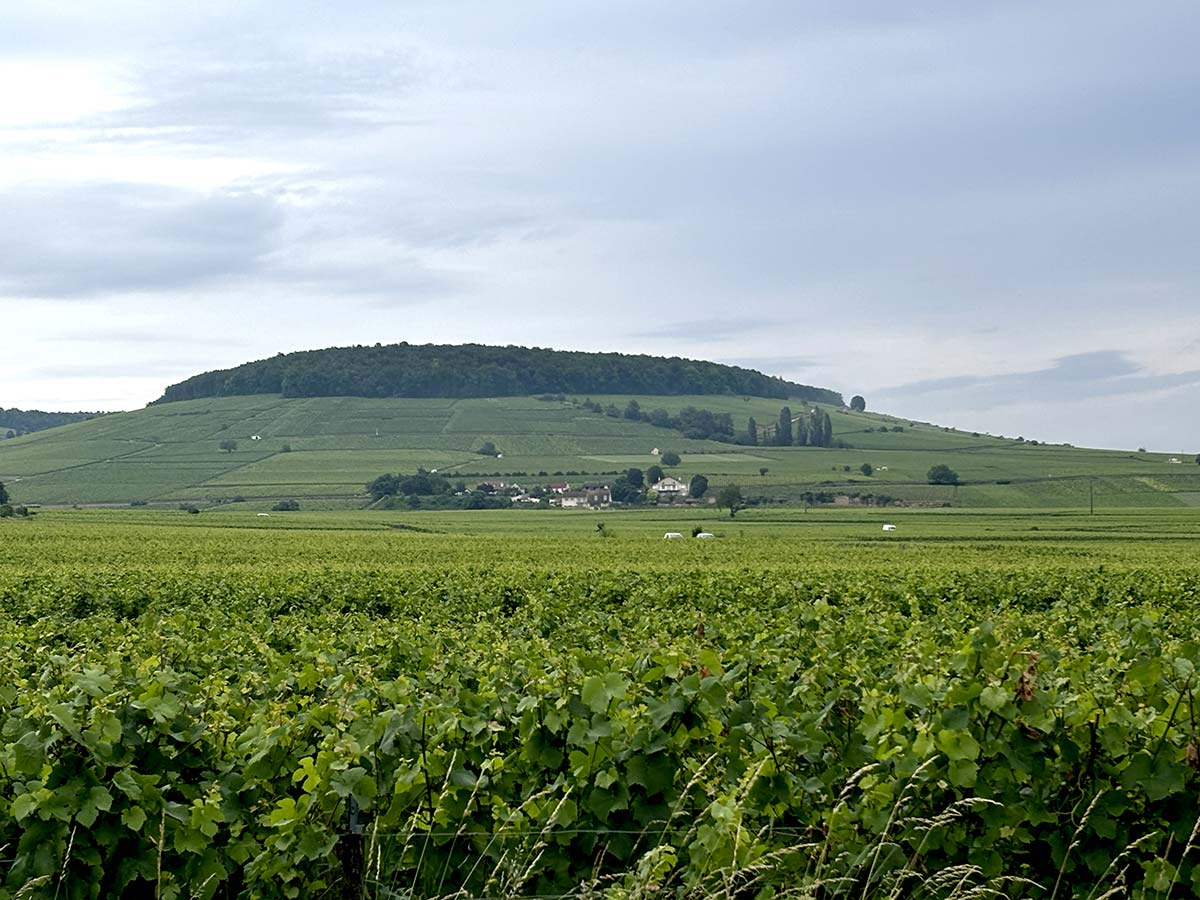
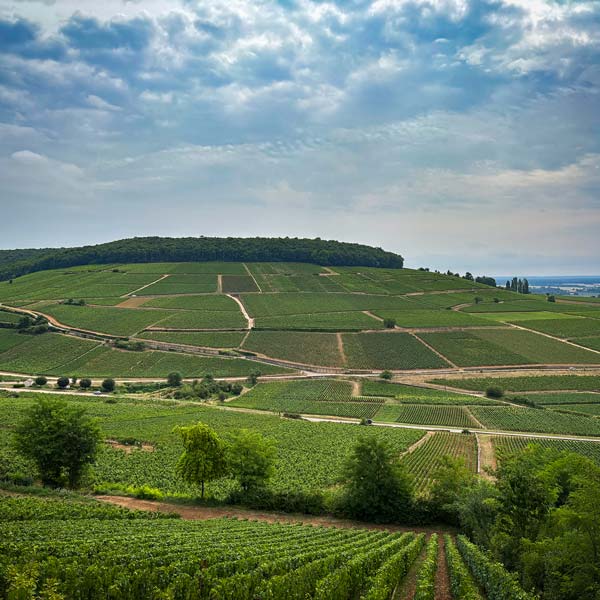
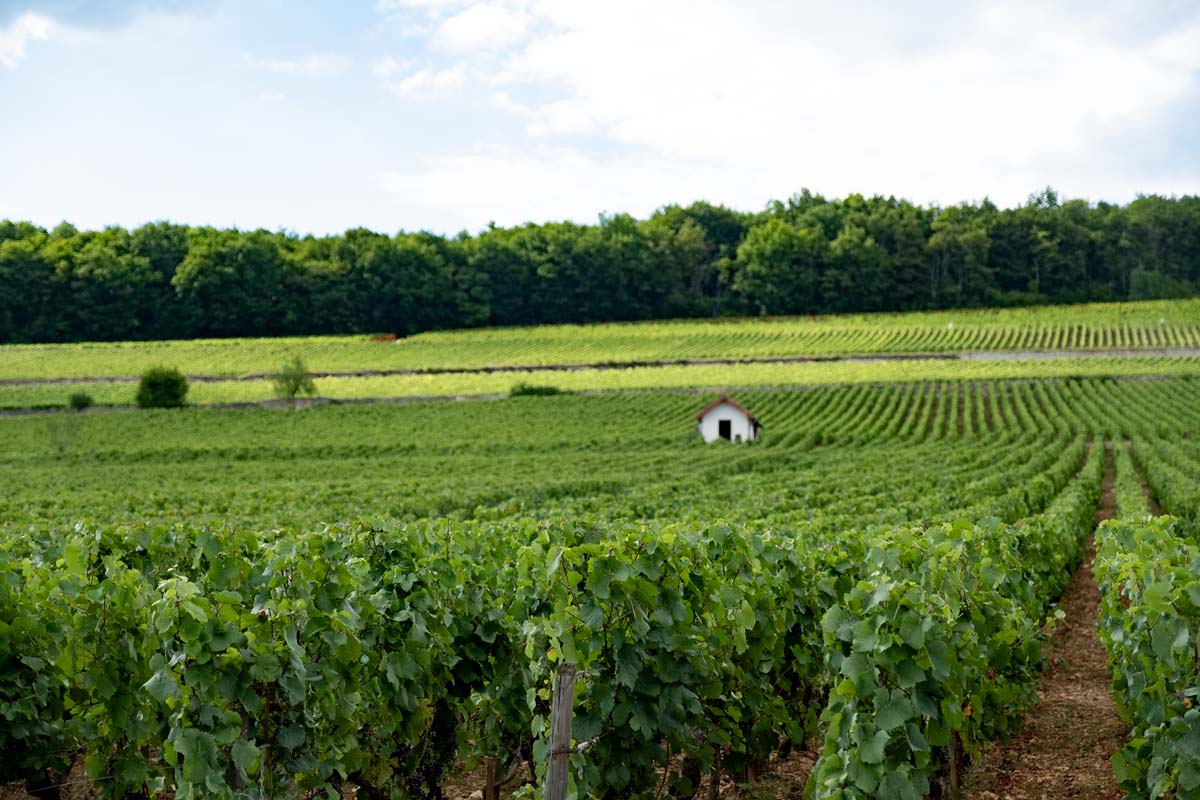
The Corton vineyard lies at the northern end of the Côte de Beaune, around the famous Corton hill, which overlooks the villages of Aloxe-Corton, Pernand-Vergelesses and Ladoix-Serrigny. Further north lies the Côte de Nuits. The vines occupy the slopes of this emblematic hillside, facing predominantly east and southeast, which ensures regular sunshine while partially protecting them from prevailing winds. The vineyards generally lie between 250 and 330 meters above sea level on well-defined slopes.
Corton's soils are mainly composed of Jurassic limestone mixed with marl and limestone scree eroded from the hillside. The upper slopes are often thinner, stony and drain well, while the lower slopes contain more clay and marl. This geological and topographical diversity favors a variety of terroir expressions, explaining the presence of numerous climats within the appellation. In particular, it allows the remarkable expression of Pinot Noir for red Corton, while some of the deeper, more marly areas are also home to the Chardonnay of the famous Corton-Charlemagne.
The hillside of Corton and its exceptional Grands Crus is one of Albert Bichot's "playgrounds". Through Domaine du Pavillon, we operate several parelles, including a parcel of Corton Charlemagne Grand Cru white and Clos des Maréchaudes Grand Cru red. We also buy grapes from other parcels, and it's with this detailed knowledge of the appellation's terroirs that we bid for one - and often several - of the Domaine des Hospices de Beaune 's cuvées and pièces at the annual Hospices de Beaune Sale, to mature them with all the care these top wines deserve.
The climats of Corton within the Hospices de Beaune parcel and its cuvées
WHITE WINES
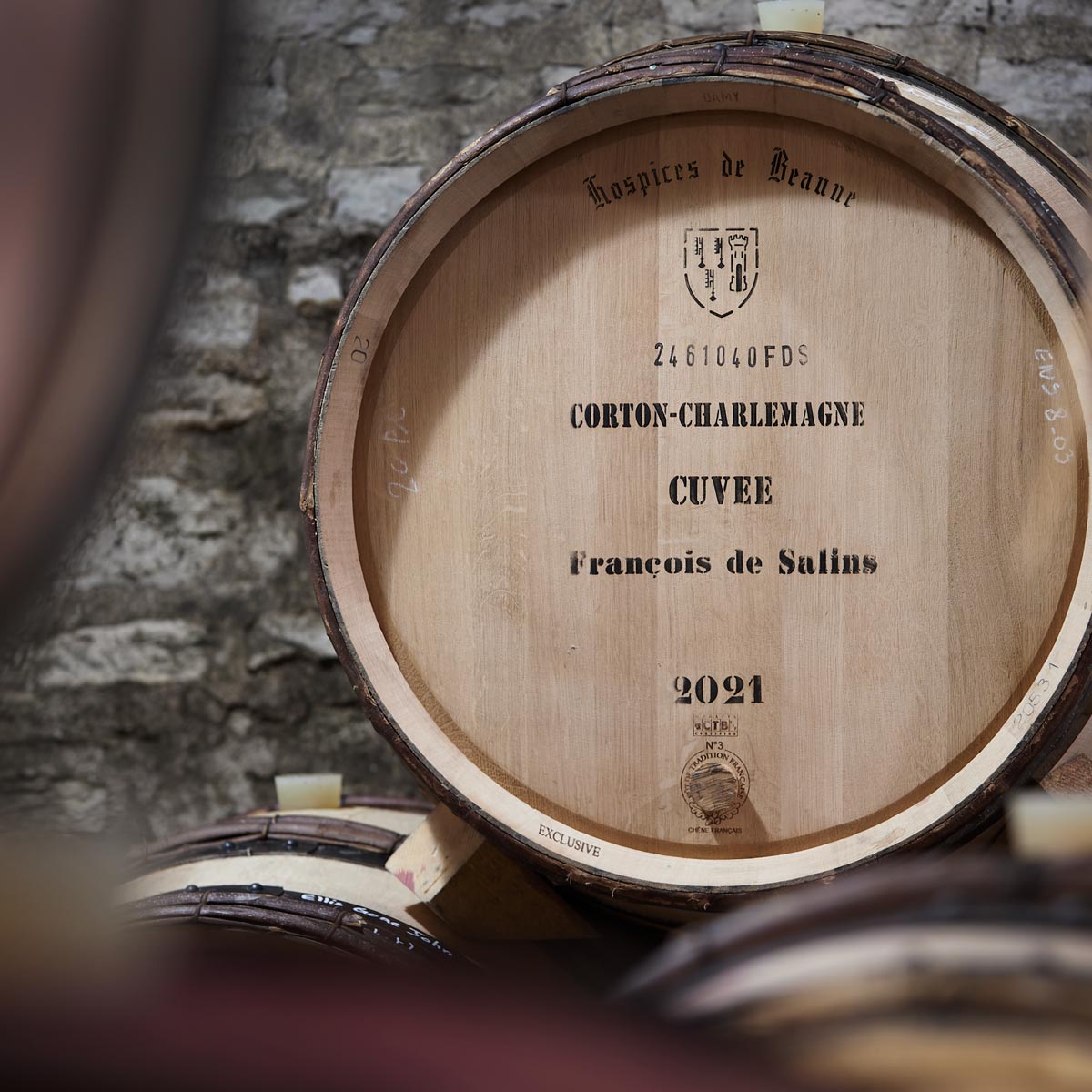
- Corton Charlemagne Grand Cru Cuvée François de Salins: Le Charlemagne
- Corton Charlemagne Grand Cru Cuvée Roi Soleil: Les Renardes
- Corton Vergennes Grand Cru Cuvée Paul Chanson: Les Vergennes
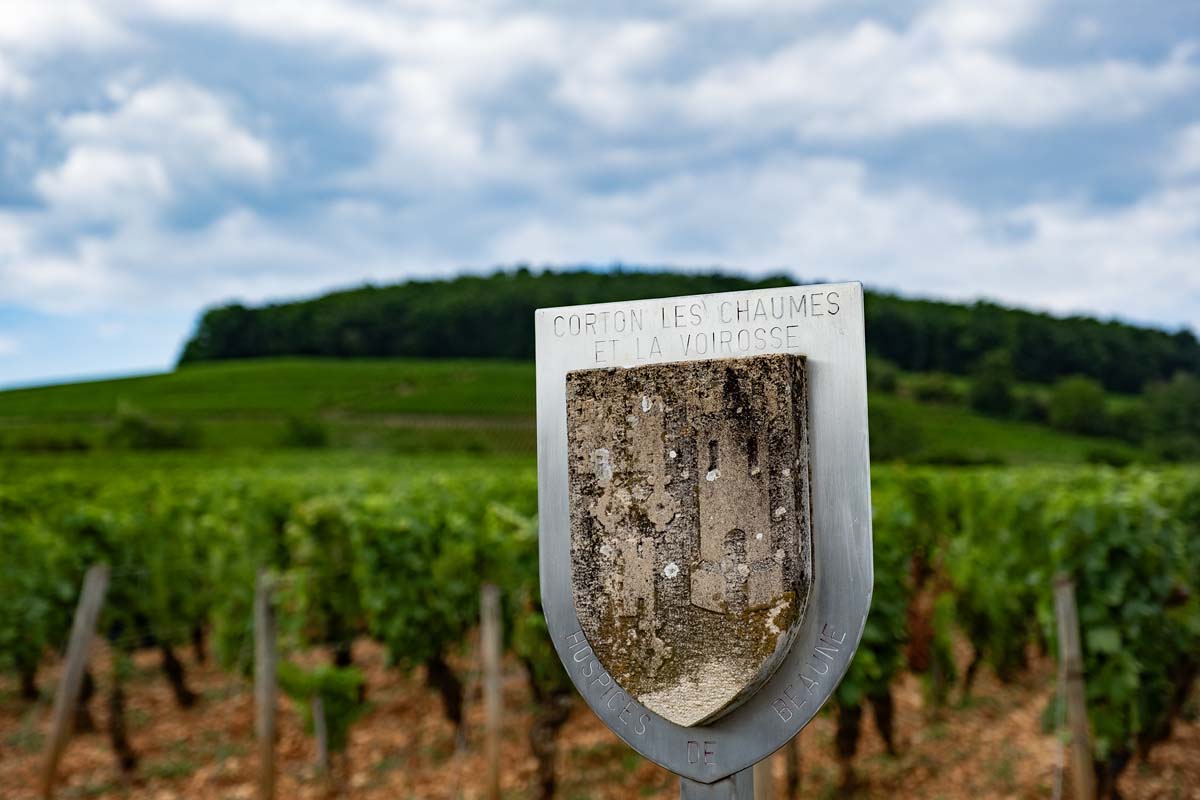
- Corton Grand Cru Blanc Cuvée Docteur Peste: Les Fiètres, Chaumes, Voierosses
RED WINES
- Corton Clos du Roi Grand Cru Cuvée Baronne Du Baÿ: Le Clos du Roi
- Corton Grand Cru Les Bressandes Cuvée Charlotte Dumay: Les Bressandes
- Corton Grand Cru Chaumes Cuvée Docteur Peste: Les Chaumes
- Corton Renardes Grand Cru Cuvée Berthier Sweeney: Les Renardes
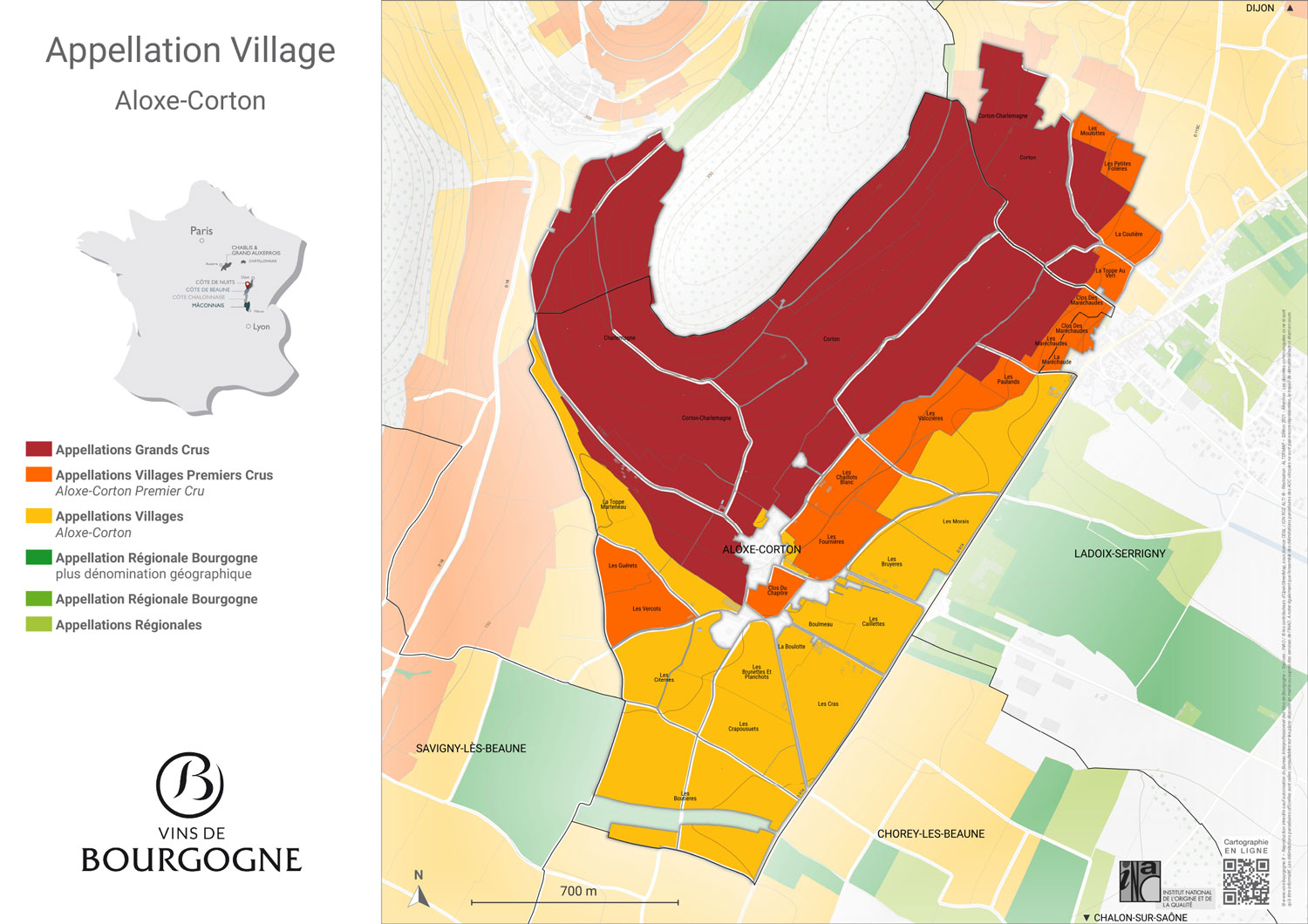
Map of the Corton appellation
Etymology & history
The etymology of Corton most probably dates back to Gallo-Roman times. The name is said to derive from the Latin Curtis or Cortem, which denoted an agricultural estate, courtyard or rural holding. Over time, this term evolved into Cortonem, then Corton, to designate the estate or hill where the cultivated land was located. In medieval texts, we find early forms such as Cortonum or Curtun, which confirm the Latin origin linked to the notion of a rural estate or lordly court. The toponym then came to designate the wine-growing hill and surrounding terroirs, now among the most prestigious in the Côte de Beaune.
The name Corton is often associated with the emperor Charlemagne. According to tradition, he owned vines on the hill and had Chardonnay planted on part of the slope to prevent the red wine from staining his white beard. This legend is linked to the famous Corton-Charlemagne grand cru. However, it is more of a symbolic tale.
Discover all the appellations of the Domaine des Hospices de Beaune
-
Through these exceptional grands crus, each Hospices bottle tells the story of a unique terroir. With their own distinctive style, these appellations are the realm of the very finest pinot noir.
-
Explore unforgettable flavors, both white and red. Each of these appellations transports you back in time and geography. A mosaic of climates to (re)discover with passion.
-
These treasures perfectly complement the southern and northern Burgundy roots of the Domaine des Hospices de Beaune. Not to be missed!
Key facts about the Corton appellation
-
- Location : Burgundy > Côte de Beaune
- Creation of the appellation: July 31, 1937
- Red Grands Crus: 87 ha
- Grands Crus blancs: 4 ha
Vintage guide at Hospices de Beaune
Every year is different. Discover its flavour
All appellations at Hospices de Beaune
Great wines born from great terroirs