








Discover the Pommard appellation
and its Hospices de Beaune cuvées
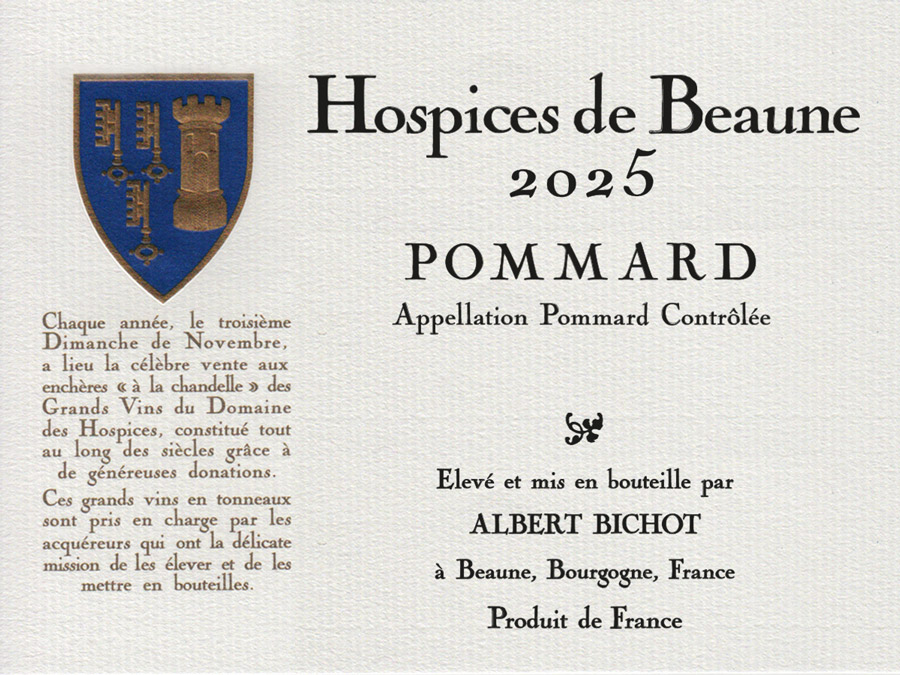
Hospices de Beaune wines inside the Pommard appellation
The style of Pommard wines
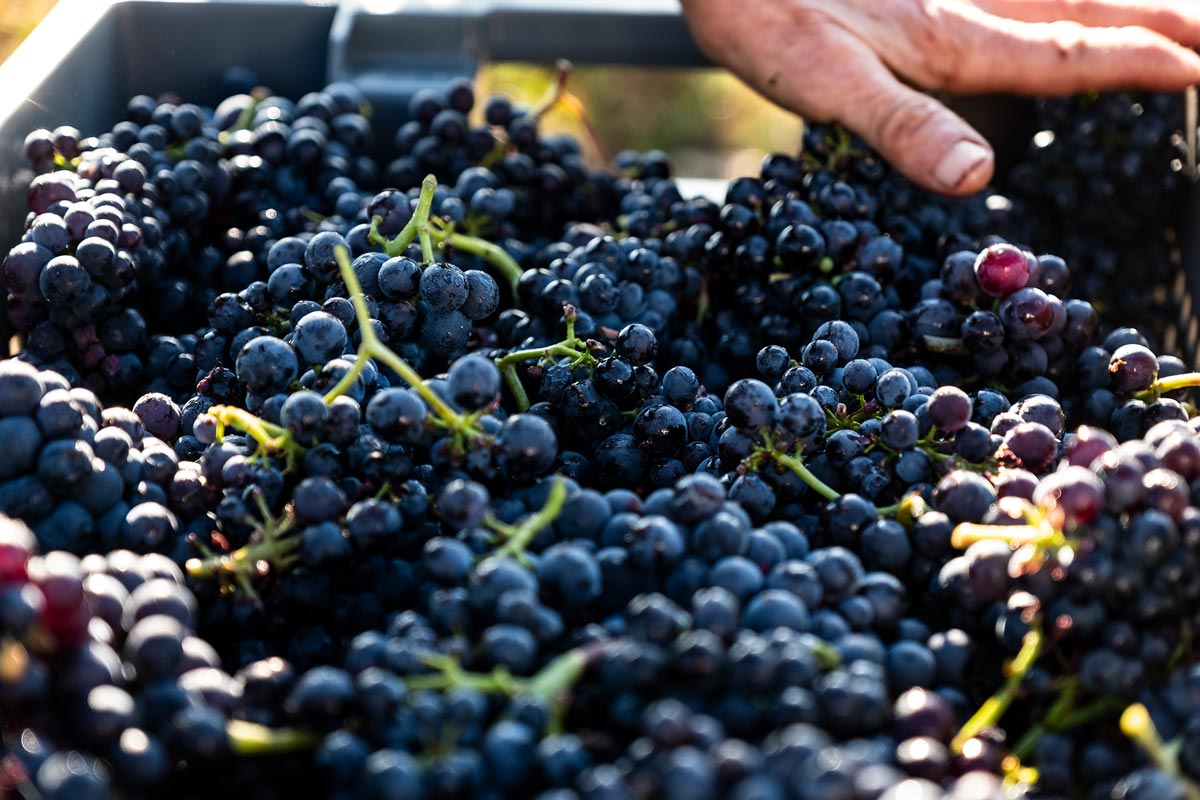
Pommard is the quintessential Burgundian Pinot Noir of the Côte de Beaune: powerful, structured, and endowed with a pronounced tannic backbone while retaining an elegant freshness. Typical aromas combine black cherry, blackcurrant, forest floor, spices, and sometimes notes of leather or truffle. Each year, Pommard village wines offer a beautiful balance between structure and roundness. Pommard Premiers Crus reveal superior concentration and depth. With a few years of aging, the wines evolve toward ripe black fruit, sweet spices, and forest nuances, gaining in roundness and subtlety.
Aging potential: 5 to 10 years for Pommard Village wines, 15 to 25 years for Premiers Crus, and even longer for the best millésimes.
Buy a Pommard appellation wine at the Hospices de Beaune auction with Albert Bichot
Several excellent Pommard wines, including village and premier cru appellations, are available each year at our auction. Through our website, www.hospices-beaune.com, we offer two purchasing options, ranging from a single bottle to a full barrel. You can also find our older vintages of Pommard, available immediately in our online store. We offer the option to personalize the label with your name.
Option 1 - Buy at the Hospices auction from just 1 bottle with Albert Bichot
Option 2 - Buy a full barrel (or a fraction) at Hospices auction
Pommard: food and wine pairings
In this appellation, Pinot Noir generally exhibits a structured, tannic profile, often featuring aromas of black cherry, spices, and forest floor. This robust structure and aromatic intensity call for dishes with depth and substance: roasted meats, reduced sauces, or dishes with slightly earthy flavors.
- Beef Bourguignon with steamed potatoes
- Duck breast with garden vegetables
- Pork tenderloin with morel mushrooms and fresh pasta
- Roasted lamb shoulder with za'atar and grilled eggplant
- Risotto with wild mushrooms and aged Parmesan (vegetarian)
Pommard terroir
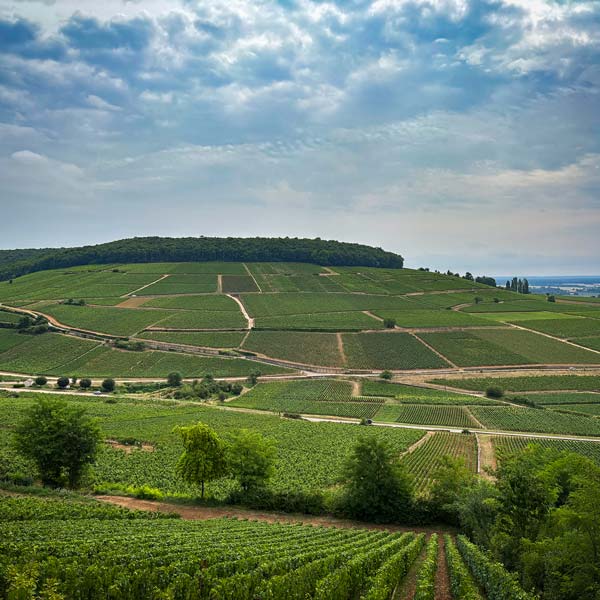
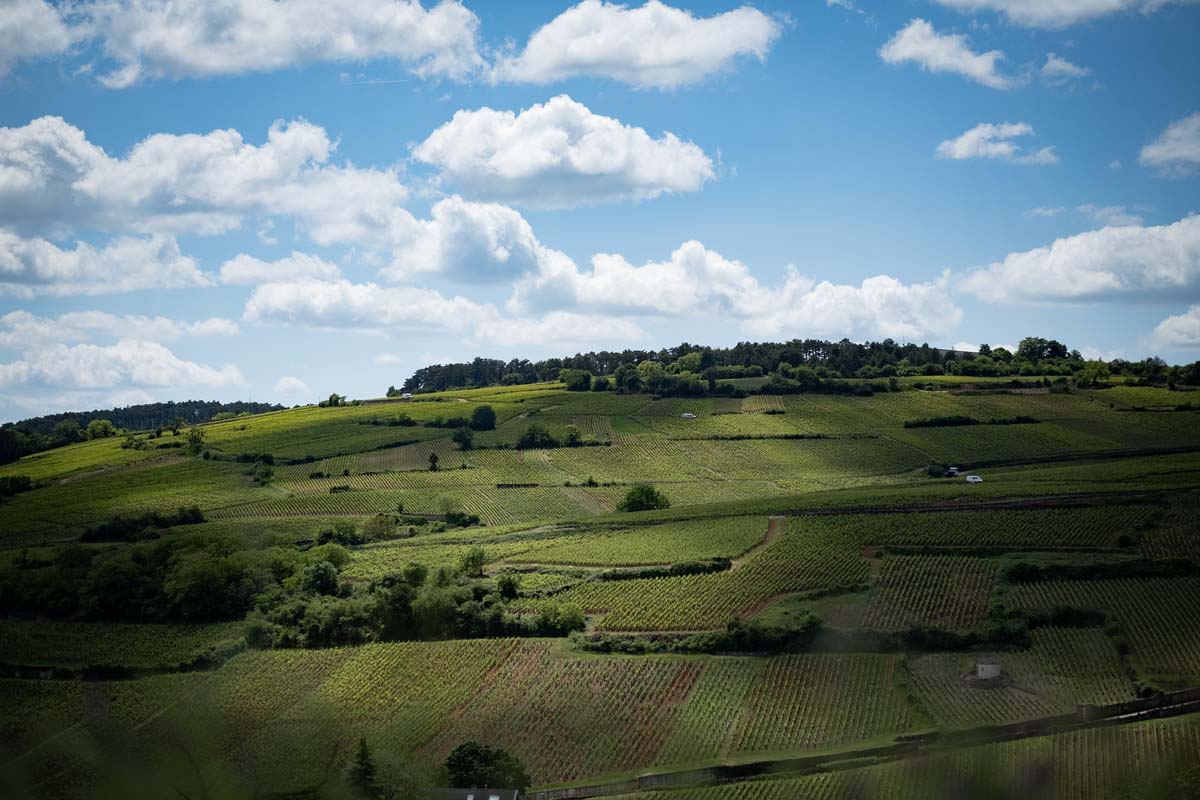
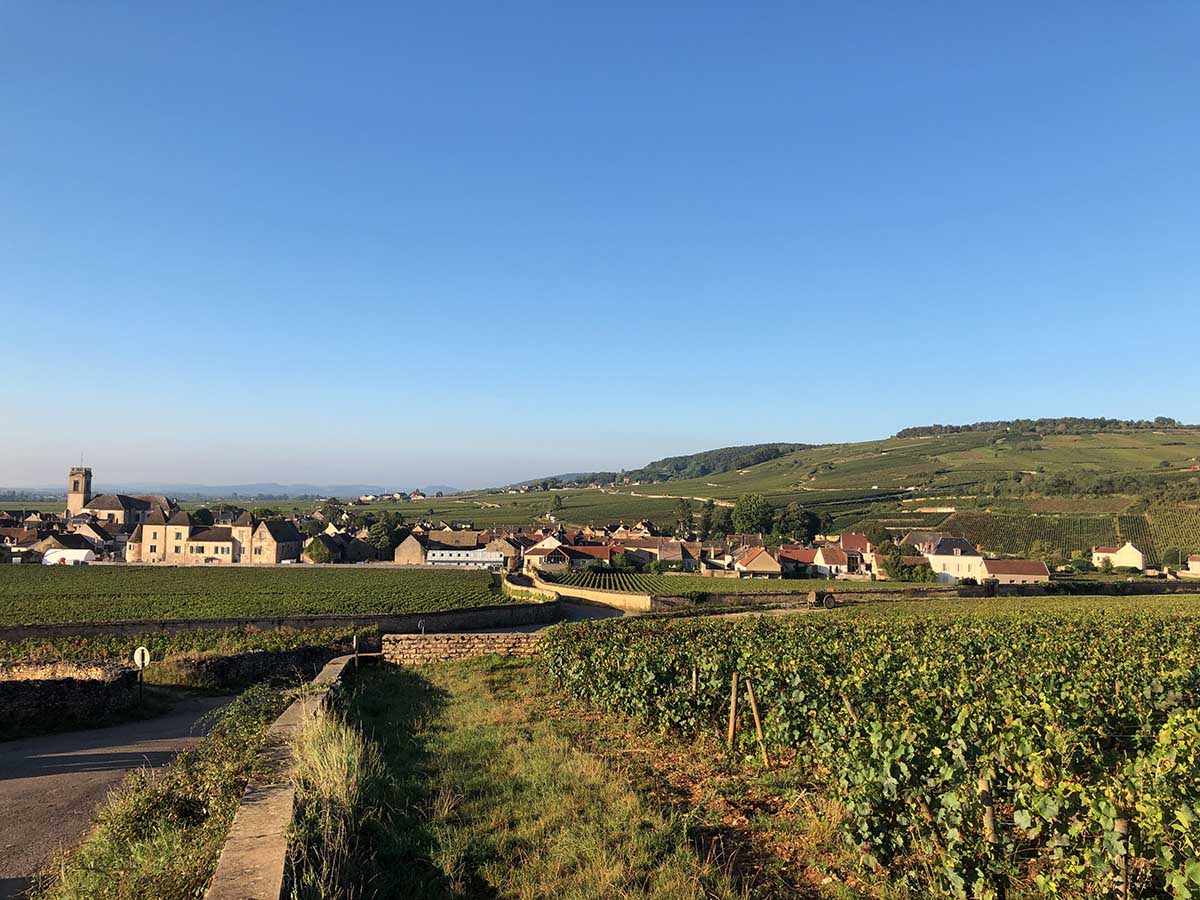
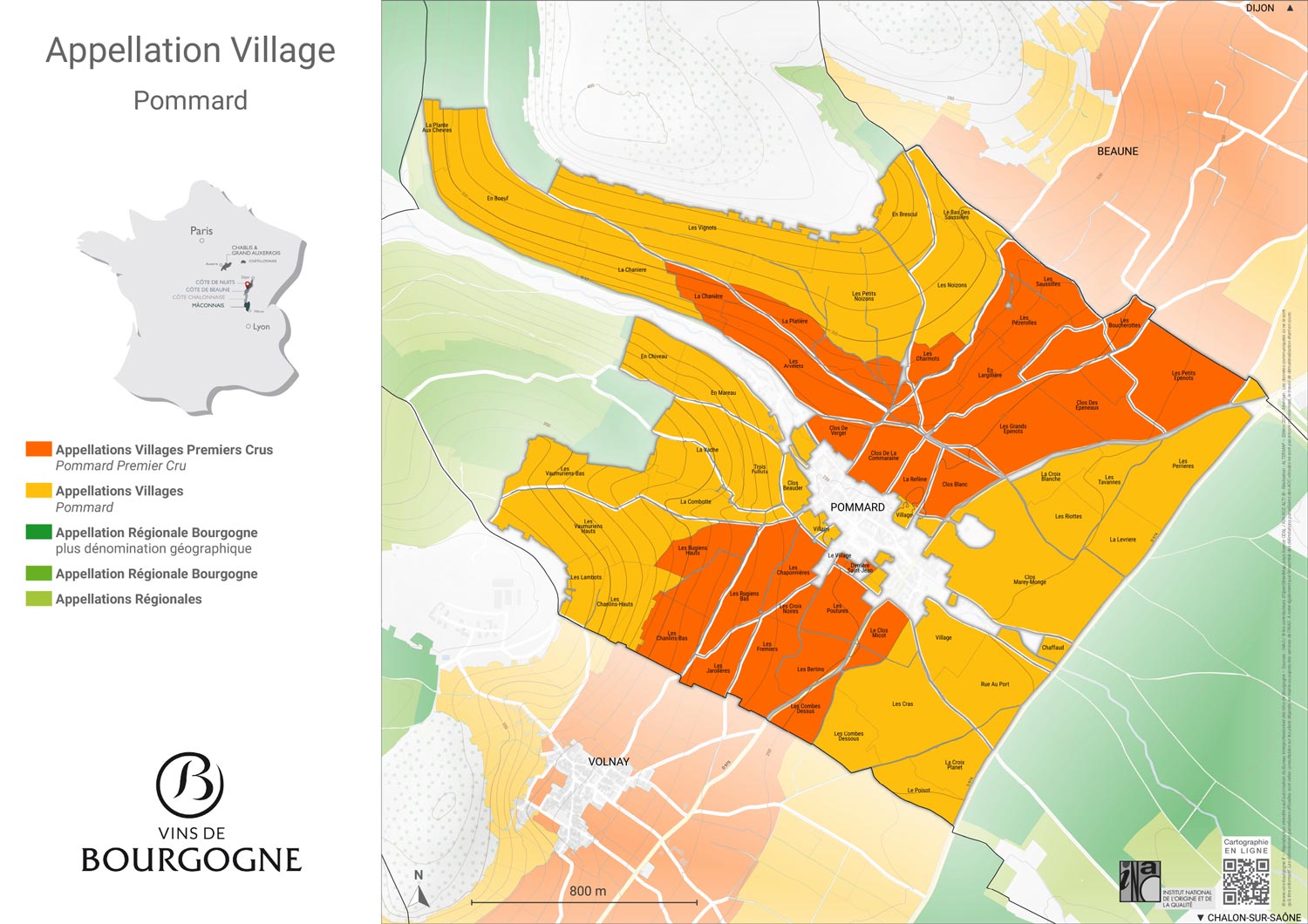
One of the iconic names of the Côte de Beaune, Pommard is situated between Volnay to the north and Beaune to the east, while Monthélie lies to the west on the foothills. The appellation is characterized by predominantly clay-limestone soils, often rich in iron-bearing marl, which give the wines their distinctive structure. This characteristic is reflected, for example, in the name of the Les Rugiens vineyard, which derives from the red color of its soils. This terroir is predominant in the superb Pommard 1er Cru Dames de la Charité.
On the lower part of the hillside, the soils are deeper and clayier, while the upper slopes contain more hard limestone and gravel, promoting drainage and concentration. The exposure is mainly east to southeast, offering good sunlight while maintaining a certain coolness. The vineyards generally extend between 250 m and 330 m in altitude, on a relatively open hillside that slopes down toward the Saône plain.
This is a terroir we greatly appreciate at Albert Bichot, as we own a plot of Pommard 1er Cru Les Rugiens within the Domaine du Pavillon, which is located right next to the Domaine des Hospices’ plot on this great terroir. At the auction, we select and purchase one or more cuvées from the Pommard appellation each year, as it offers a wide variety of styles and price points.
Pommard climats within the Hospices de Beaune estate
- Pommard 1er Cru Cuvée Dames de la Charité: Les Rugiens, La Refène, Les Combes Dessus, Les Petits Epenots
- Pommard Cuvée Billardet: Les Noizons, Les Arvelets Premier Crun,Les Cras
- Pommard Cuvée Raymond Cyrot: Les Charmots 1er Cru, Les Bertins 1er Cru, Les Riottes, Les Vaumuriens bas, La Vache, Les Rugiens bas 1er Cru
- Pommard Cuvée Suzanne Chaudron: Les Petits Noizons, La Chanière, La Croix Planet, Les Noizons, En Poisot, Rue au Port
- Pommard Epenots 1er Cru Cuvée Dom Goblet: Les Petits Epenots
Appellation map
Etymology
There are several theories regarding the origin of the name Pommard. Some suggest it derives from the Latin “Pomarium,” meaning an orchard, which would reflect the historical importance of fruit cultivation around the village. Others link Pommard to “Pomare,” a medieval term for apple trees, recalling that the region was once a mix of vineyards and orchards before wine became the primary focus.
The etymology thus highlights the strong connection to the terroir and topography: a landscape shaped by well-exposed hillsides and clay-limestone soils that today foster the powerful and structured expression of Pommard’s Pinot Noirs. The first documented traces of vineyards in the commune date back to the 12th century, and while red wine has always been predominant, the vineyard has gradually asserted its concentrated character, emblematic of the wines that today bear the village’s name.
Discover all appellations from Domaine des Hospices de Beaune
-
Through these exceptional grands crus, each Hospices bottle tells the story of a unique terroir. With their own distinctive style, these appellations are the realm of the very finest pinot noir.
-
Explore unforgettable flavors, both white and red. Each of these appellations transports you back in time and geography. A mosaic of climates to (re)discover with passion.
-
These treasures perfectly complement the southern and northern Burgundy roots of the Domaine des Hospices de Beaune. Not to be missed!
Key facts about the Pommard appellation
-
- Location: Burgundy > Côte de Beaune
- Appellation established: September 11, 1936
- Red wines account for 100% of the Pommard appellation
- Appellation area: 315 hectares, including 118 hectares of Pommard Premier Cru
Vintage guide at Hospices de Beaune
Every year is different. Discover its flavour
All appellations at Hospices de Beaune
Great wines born from great terroirs